
Alcohol acts as a diuretic, influencing your body’s water retention. Higher alcohol content can lead to increased does alcohol dehydrate you fluid loss, negatively impacting hydration. The best way to avoid alcohol dehydration is to avoid consuming alcohol entirely. However, if you plan to partake in beer, wine or other alcoholic beverages, there are a few things that can be done to lessen dehydration’s toll on your body.
Should You Drink Water When You’re Drunk?

A bottle of whiskey on the mountain after a full day of skiing and snowboarding sounds like a dream. If you’re drinking at altitude (and you’re not used to it!) remember that dehydration is a much bigger concern. Above 5,000 feet elevation, your body can lose fluids almost twice as fast as it can at sea level.
Can you Survive on Beer Instead of Water?
These practices not only prevent dehydration but also contribute to a safer and more enjoyable drinking experience. Overall, it’s crucial to be mindful of the impact of alcohol on our kidneys and take proactive steps to mitigate potential damage. By staying hydrated, consuming alcohol in moderation, and prioritizing kidney health, we can reduce the risk of developing alcohol-related kidney issues. Alcohol and dehydration are often closely linked, and understanding the impact of alcohol on hydration levels is crucial for maintaining overall health and well-being. In this study measuring urine output alcoholism after drinking, there’s a clear pattern. When participants had a single alcoholic drink, they experienced a brief spike in urine flow—one drink, one extra trip to the bathroom.
How Can You Prevent Dehydration While Drinking?
- Due to the lower alcohol content, beer will dehydrate you slightly less than liquor.
- Here, we reveal some best practice advice to ensure that you stay well-hydrated and safe when before, during and after alcohol consumption.
- Additionally, incorporating electrolyte supplements or sports drinks can aid in replenishing essential minerals and supporting overall hydration.
- The fact is 12 oz of beer contains 14 gm of alcohol, which can produce a little less than half a cup of urine.
- Alcoholic drinks make you lose up to four times more water than they provide, leading to dehydration in a hurry.
Think of it as constantly overworking an important machine; eventually, it’s going to break down. Over time, chronic dehydration from heavy drinking can significantly impact your health. Beyond the discomfort of dry skin and headaches, you risk more severe issues like vitamin deficiencies, which can further compromise your body’s ability to function properly. Your nervous system, responsible for communication throughout your body, can also suffer damage.
Will my skin improve if I stop drinking?
There’s less air pressure, so alcohol enters your bloodstream even more rapidly. If you’re drinking at altitude, you should probably start out with less alcohol than usual. Remember to listen to your body, prep with hydration minerals (aka electrolytes), and never drink on an empty stomach. These products contain electrolytes, potassium, sodium, and chloride – all of which your body loses with higher urine output.

Effects of alcohol upon the muscles can include pain, swelling, and general muscle weakness. This can occur after only a single episode of binge drinking and it may take a week or more to fully recover. Studies show chronic heavy drinkers experience more significant muscle damage and loss. Ethanol is a toxic compound that impairs the normal function of cells, tissues, and organs.
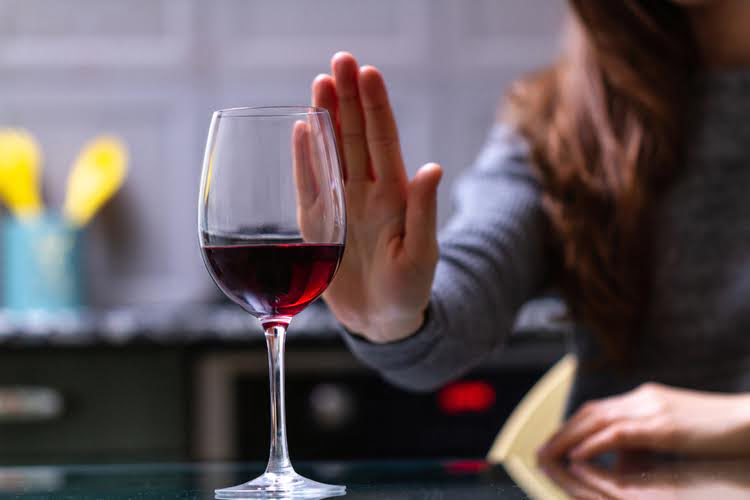
Besides dehydration, alcohol can have other negative effects on the body. For this reason, a person should drink alcohol in moderation and avoid binge-drinking or chronic heavy drinking. Consuming alcohol leads to dehydration and can affect several systems and functions in the body. It is important for a person to be aware of the signs and symptoms of alcohol-induced dehydration and the ways to avoid it. The key to making sure a night out doesn’t turn into a head-pounding hangover is to drink plenty of water throughout, Mieses Malchuk says. That will increase your ability to reabsorb water, and leave you more likely to wake up feeling sparkling and ready to face the day — or at least less inclined to put a pillow over your head.
Moderate Dehydration
- Another hormone affected by alcohol consumption is aldosterone, which plays a crucial role in maintaining fluid balance.
- Alcohol and dehydration are often closely linked, and understanding the impact of alcohol on hydration levels is crucial for maintaining overall health and well-being.
- Furthermore, alcohol significantly affects driving abilities, increasing the likelihood of road traffic accidents.
When drinking alcohol, especially in hot weather, avoiding dehydration is very important. That margarita may seem refreshing but the added sugar creates an acidic environment in your body. Heat and humidity can really speed up dehydration, making the effects of alcohol even worse. If you’re sweating a lot, you’re losing fluids faster, and alcohol just adds to that. While dehydration plays a role in hangover symptoms, it’s not the sole culprit.
Additionally, alcohol can exacerbate underlying mental health issues such as anxiety and depression and may interfere with medications intended to manage these conditions. While ethanol doesn’t contain carbohydrates and technically won’t impact your blood glucose levels, alcohol still affects ketone production. Yes, drinking alcohol affects your metabolism and can potentially kick you out of ketosis. At Cloud9, we help you make mindful choices about alcohol while supporting your health. Our doctor-developed products are designed to fit your goals, whether you’re cutting back, quitting, or finding balance.
Alcohol can also impair the function of our kidneys, which play a crucial role in maintaining our body’s fluid balance. The kidneys filter waste products from our blood and regulate the https://themalikapost.com/2022/09/4503.html concentration of water and electrolytes in our bodies. However, alcohol can disrupt this delicate balance by affecting the structure and function of the kidneys. This can lead to decreased water reabsorption, increased fluid excretion, and impaired kidney concentrating ability. As a result, our bodies may struggle to retain water effectively, leading to dehydration.
Your body’s metabolism can turn some components of alcohol into nutrients and energy. This happens at a rate of about one beer, a small glass of wine, or one shot of liquor per hour. So what can you do to make sure you don’t get that infamous hangover headache caused by dehydration?